RESEARCH JOURNAL
Peptide Research Blog
In-depth USA-based research references for the peptides labs are searching most — tirzepatide, semaglutide, BPC-157, GHK-Cu and more.
12 articles.
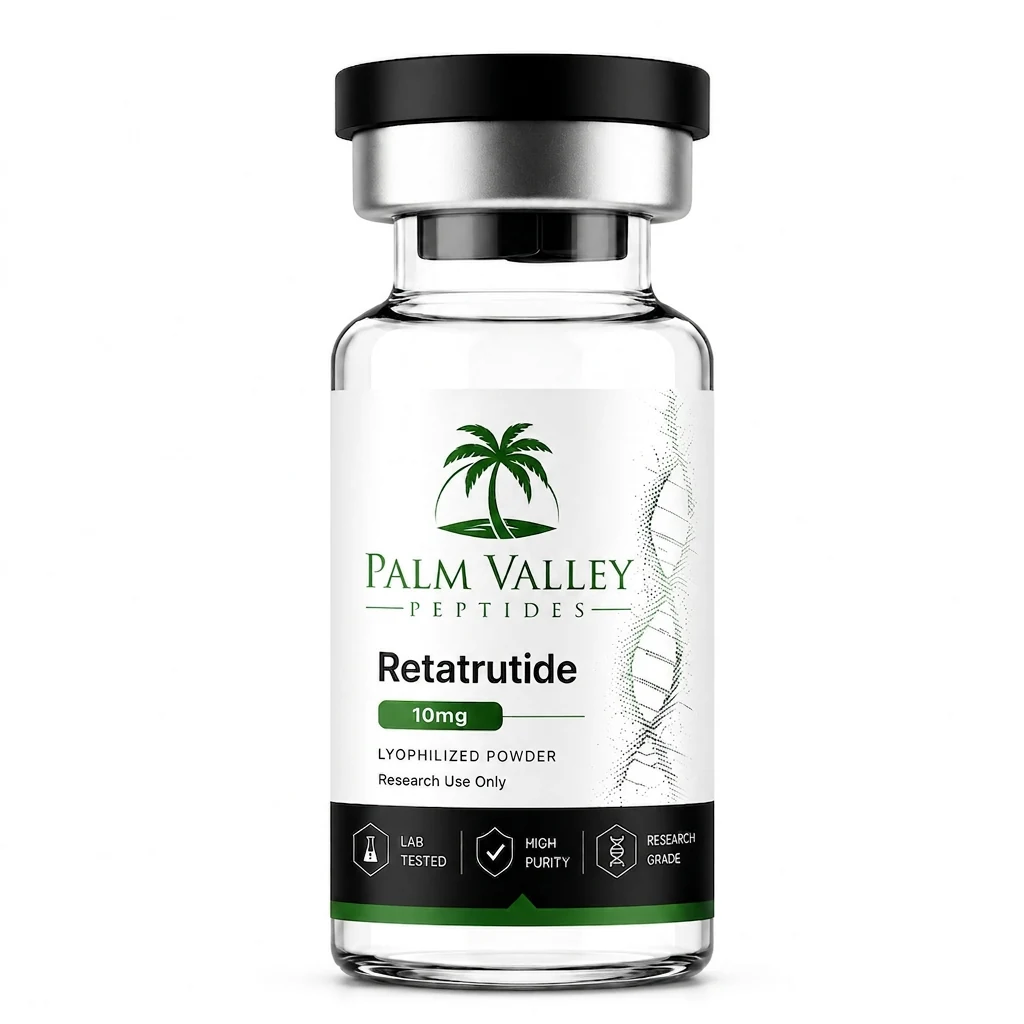
Retatrutide Research Guide: Triple-Agonist Mechanism, Handling and Documentation
Retatrutide is the most requested research peptide in our catalog. Here is how the triple-agonist mechanism is described in published literature, plus the handling and documentation standards we apply to every lot.
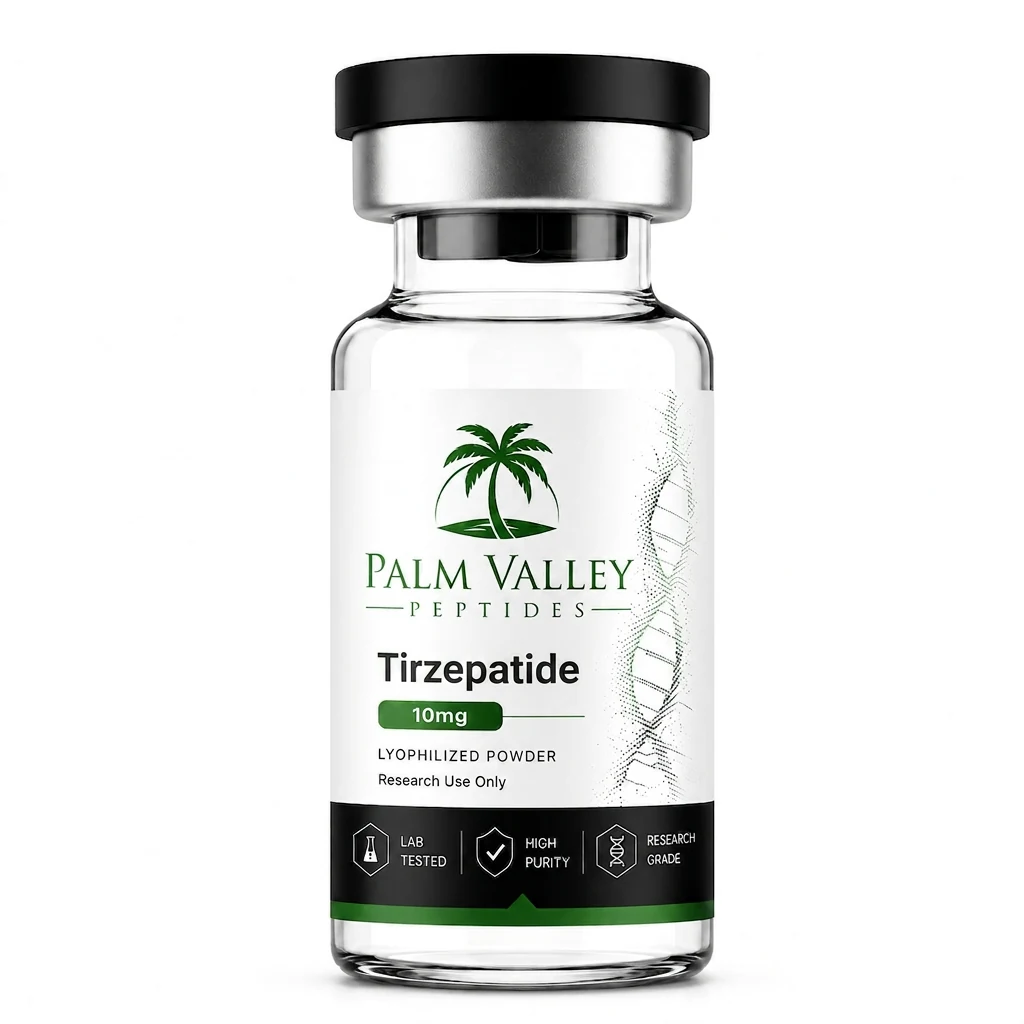
Tirzepatide Research Guide: Dual GIP/GLP-1 Agonism Explained
Tirzepatide remains the benchmark dual-agonist reference compound for metabolic research. This guide covers mechanism, formats and the documentation your lab should file.
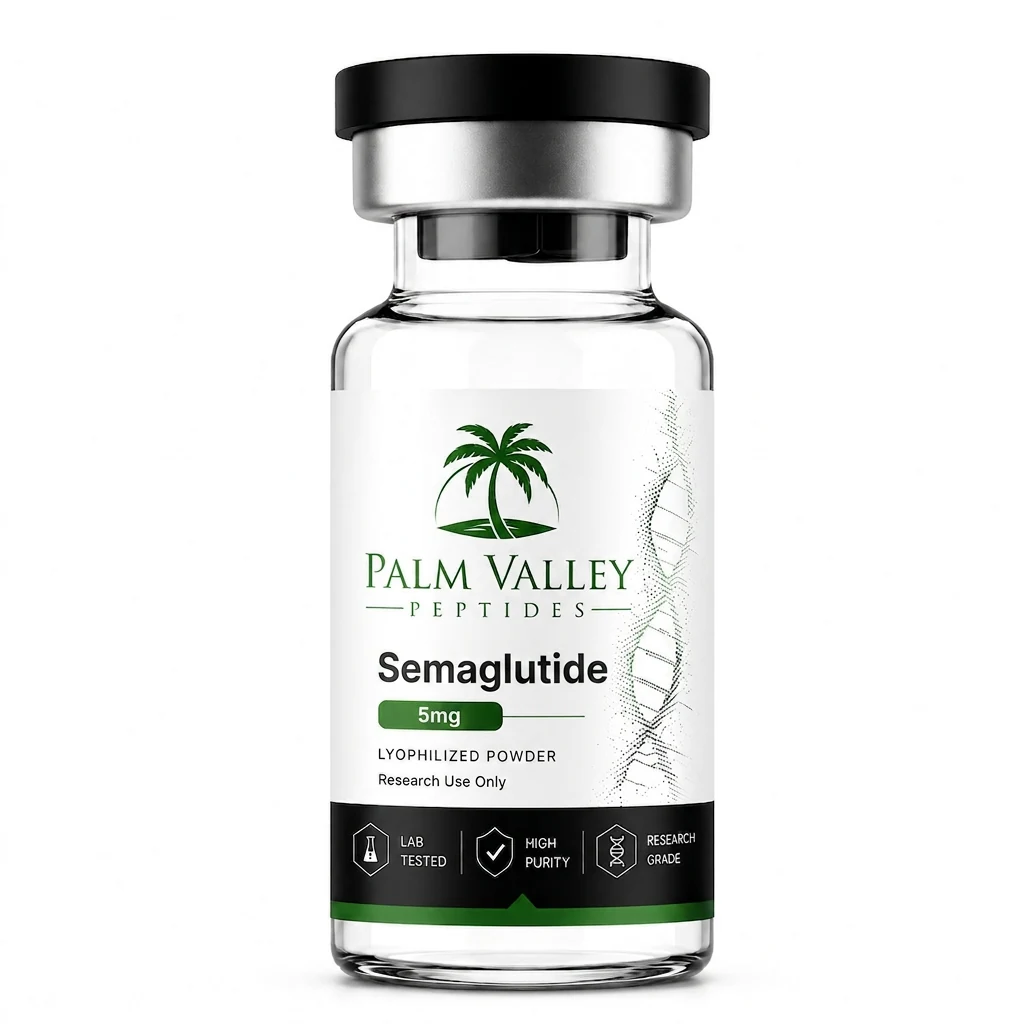
Semaglutide Research Overview: GLP-1 Receptor Reference Compound
Semaglutide is the single-agonist reference point most GLP-1 assay work is built around. Here's the mechanism, the formats we stock, and how to verify a lot.
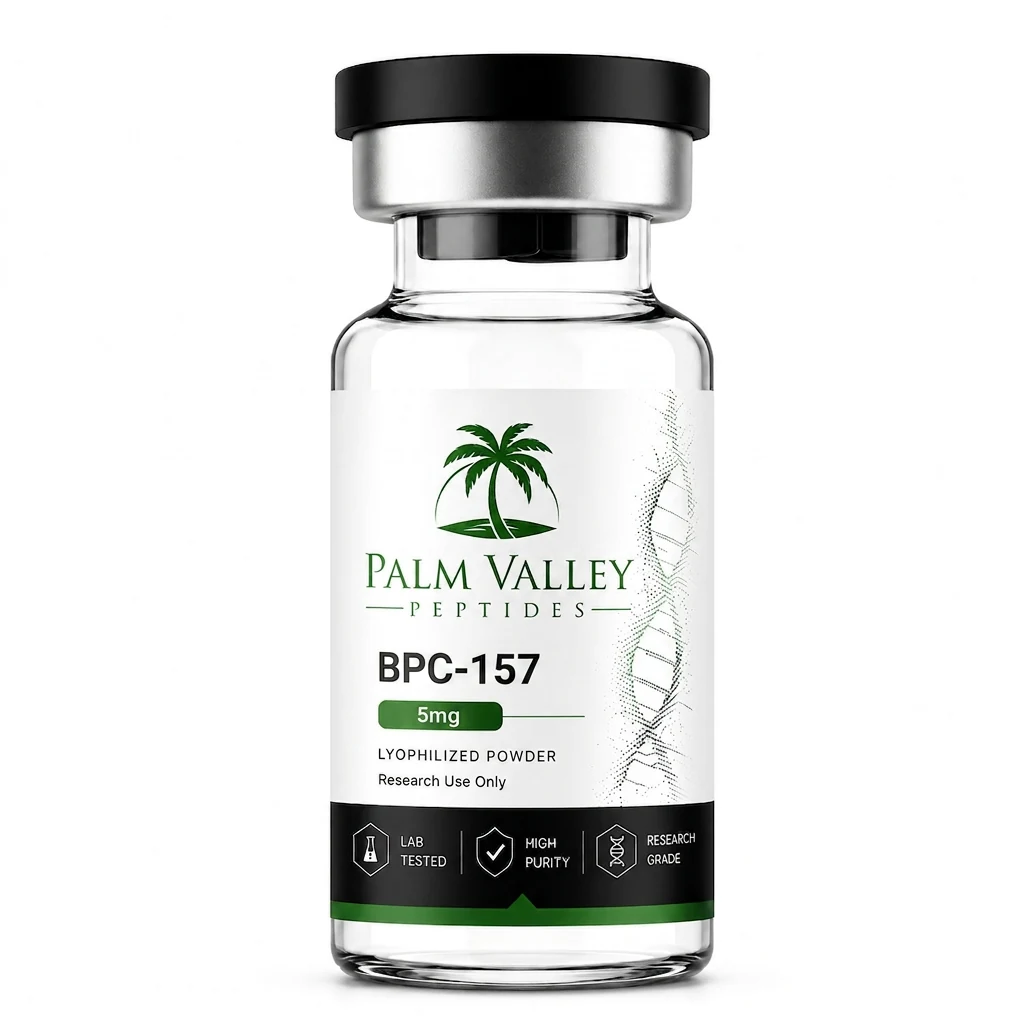
BPC-157 Research Profile: Stability, Formats and Lab Handling
BPC-157 is the most-ordered tissue-research peptide in the catalog. This profile covers structure, stability behaviour and how to handle each vial format.
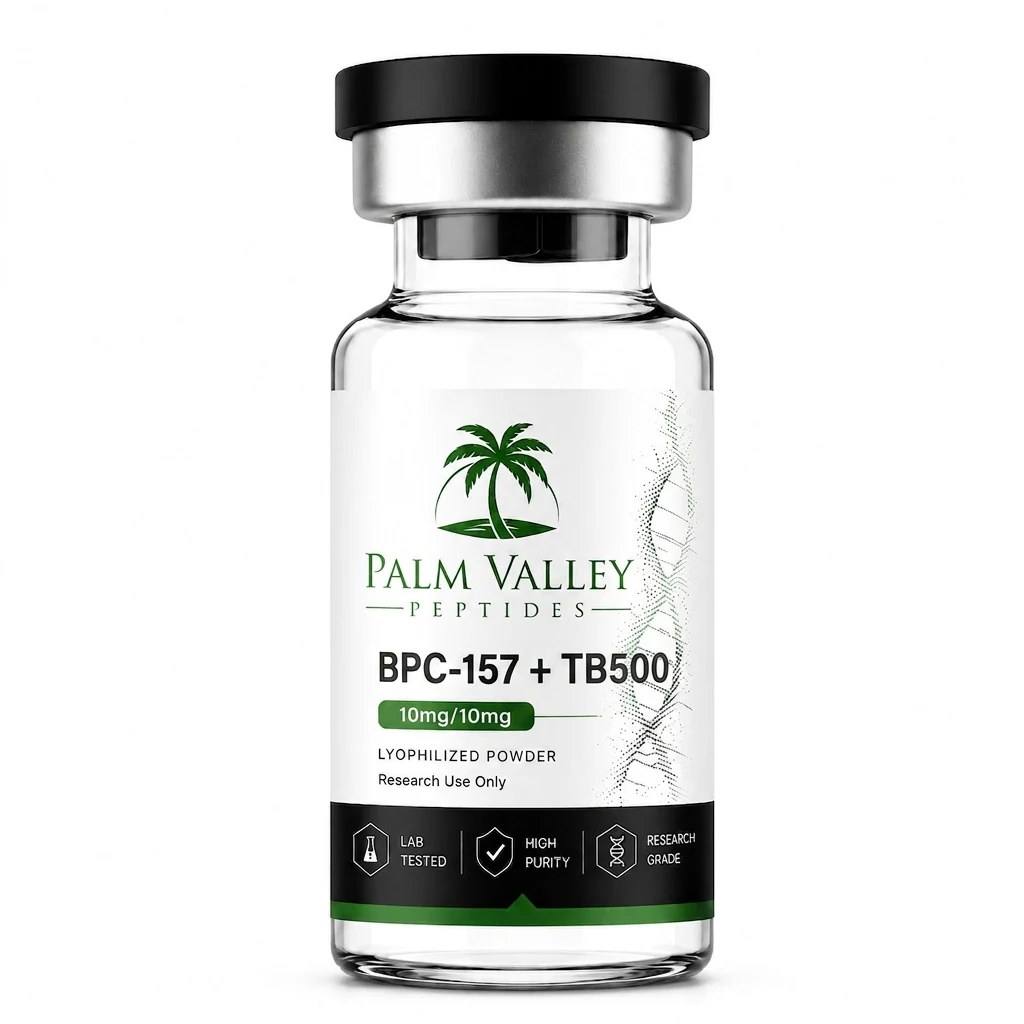
Wolverine Blend (BPC-157 + TB-500) Research Notes
The Wolverine blend puts BPC-157 and TB-500 in one 10 mg vial. Here's what a blended lot changes about verification, reconstitution and record-keeping.
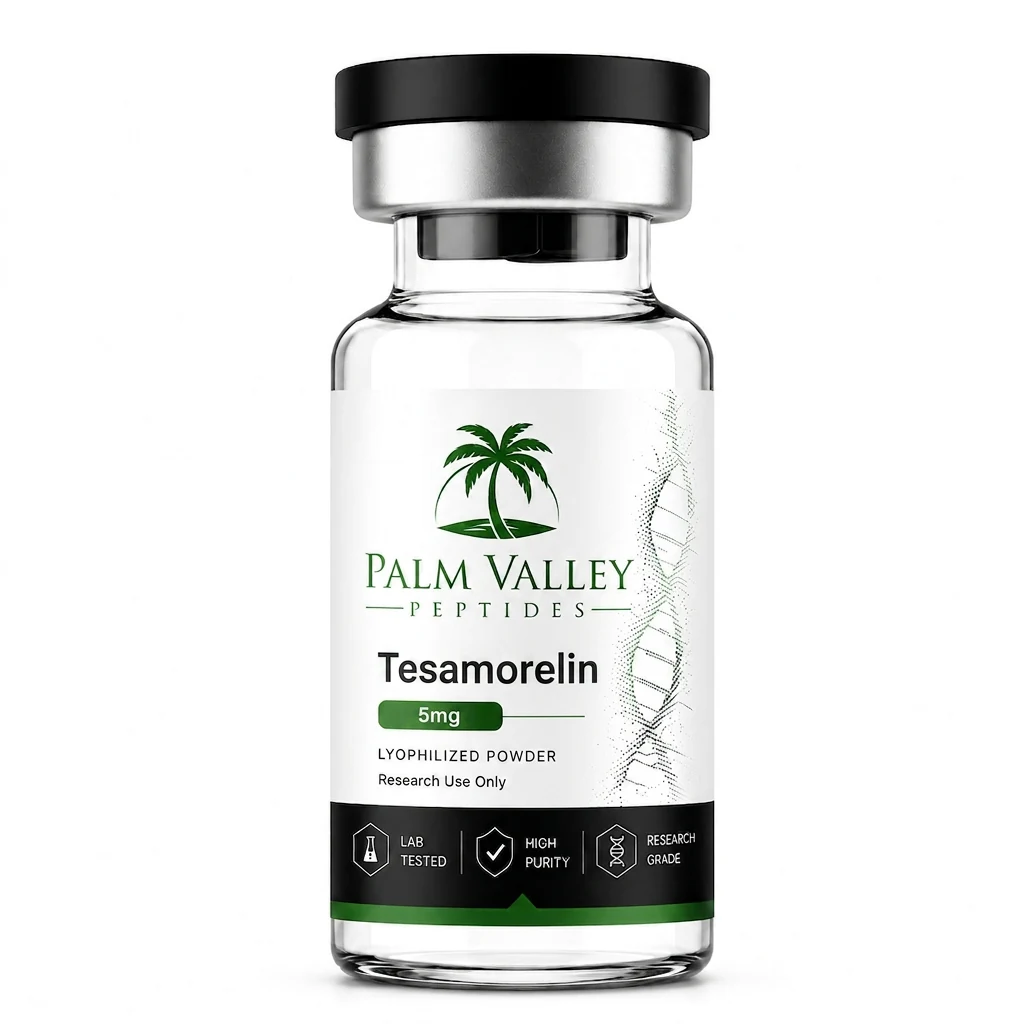
Tesamorelin Research Reference: GHRH Analog Fundamentals
Tesamorelin is a stabilized GHRH analog and a core reference compound in growth-axis research. Formats, structure and handling covered here.
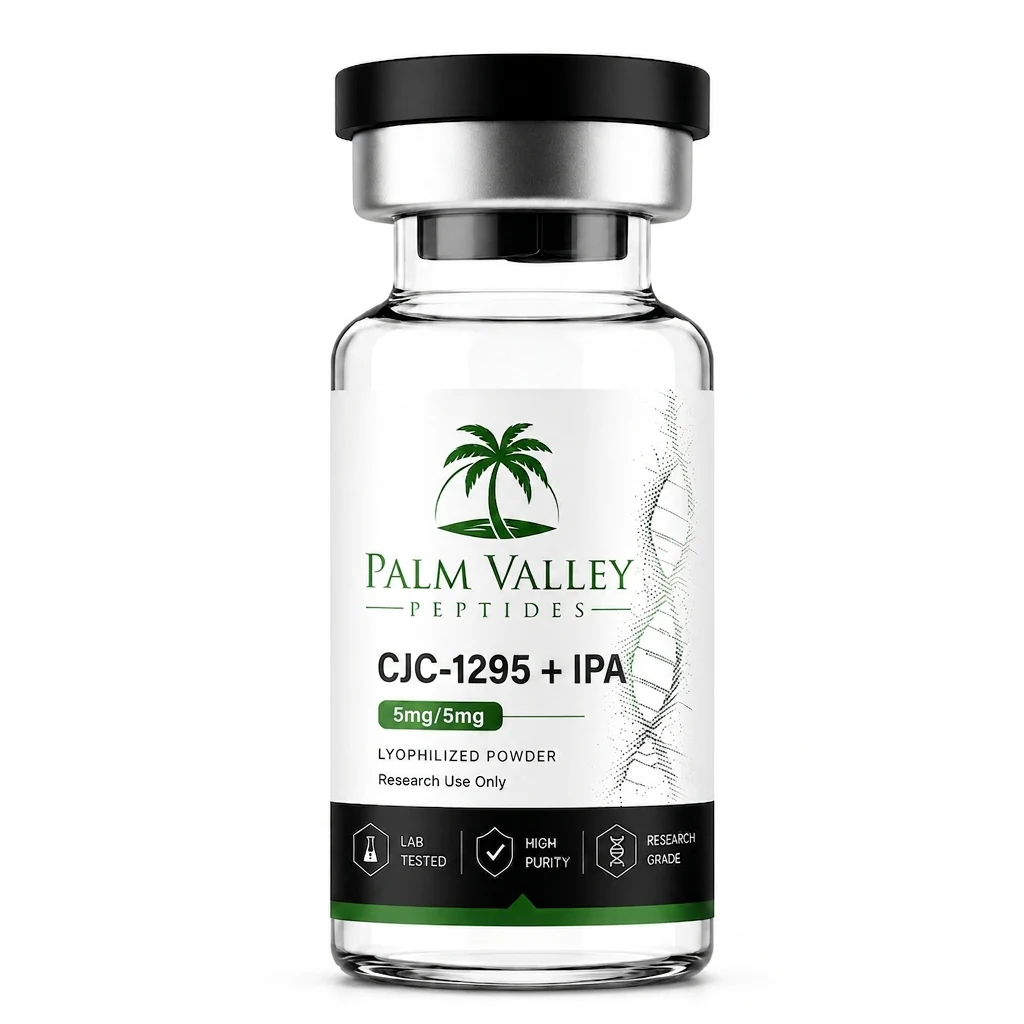
CJC-1295 + Ipamorelin: Why Labs Pair a GHRH Analog With a GHRP
CJC-1295 and ipamorelin act on two different receptors, which is exactly why they appear together in so many growth-axis assay designs.
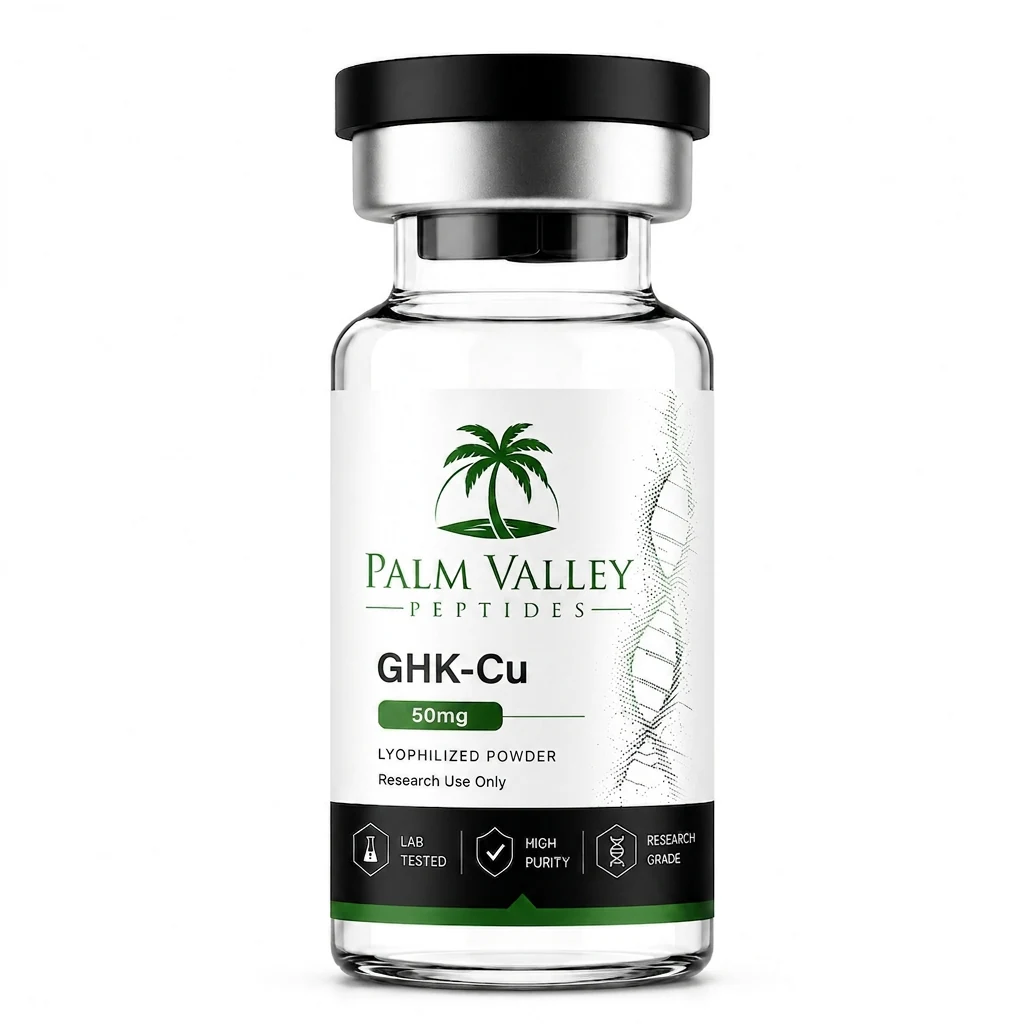
GHK-Cu Copper Peptide: Research Profile and Handling
GHK-Cu behaves differently from most lyophilized peptides — the copper complex has its own colour, solubility and stability quirks worth knowing before you reconstitute.
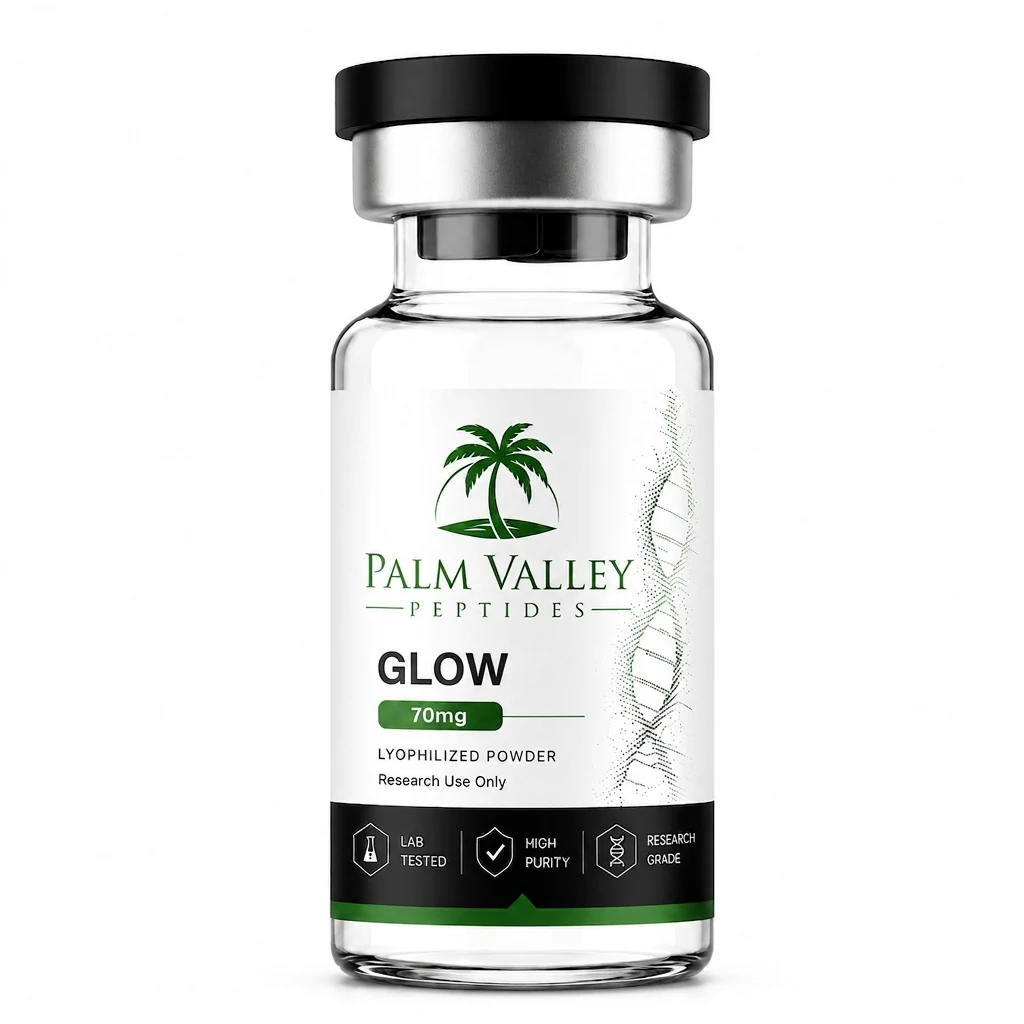
GLOW Blend Research Notes: GHK-Cu, BPC-157 and TB-500 in One Vial
GLOW is a three-component blend. Multi-component vials need a different documentation approach than single-compound lots — here's the checklist.
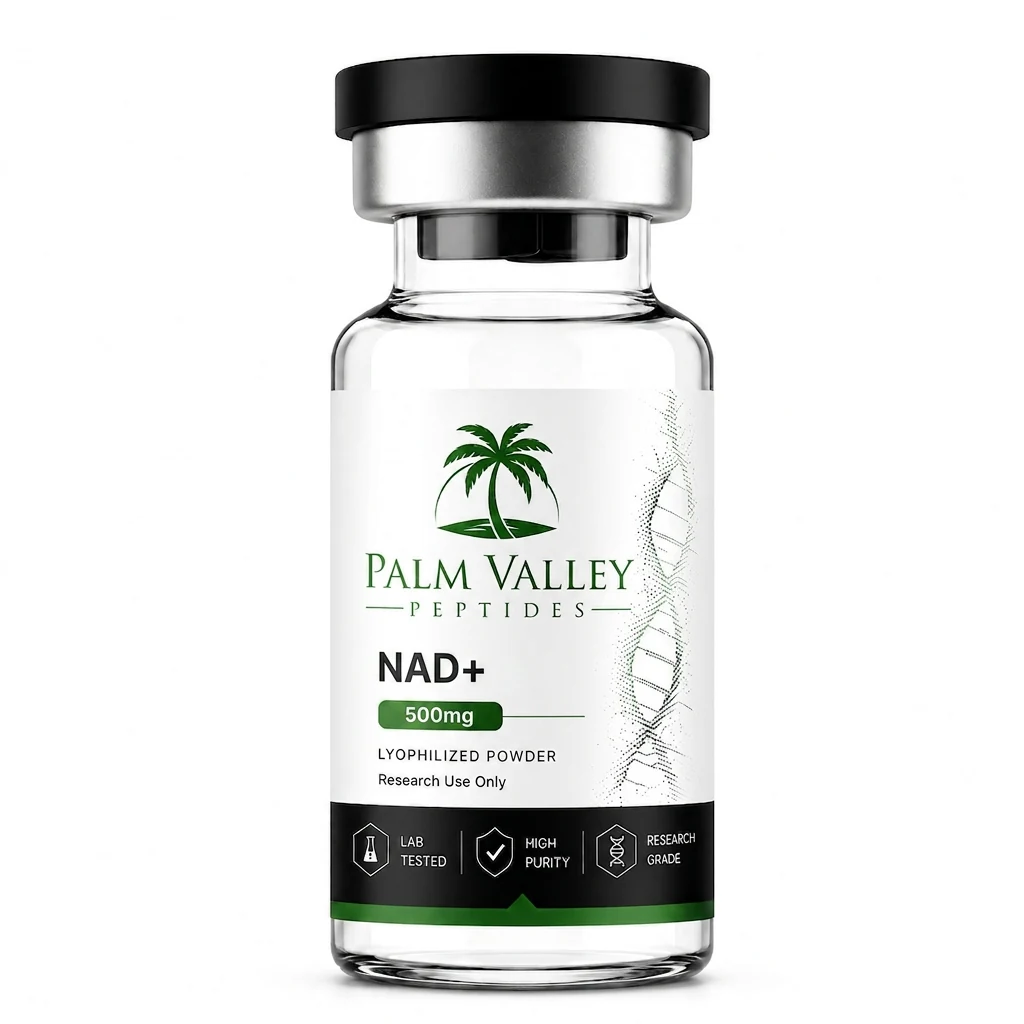
NAD+ Research Reference: Formats, Solubility and Storage
NAD+ is not a peptide, and it does not behave like one in the vial. Solubility, light sensitivity and storage all differ — plan accordingly.
How to Read a Peptide COA: HPLC Purity, Mass Spec and Batch Matching
A certificate of analysis is only useful if you know which numbers matter. Here's the four-line read that tells you whether a lot is fit for your protocol.
Peptide Reconstitution and Storage: A Practical Lab Checklist
Most peptide degradation happens on the bench, not in transit. This checklist covers solvent choice, volume maths, freeze-thaw and record-keeping.